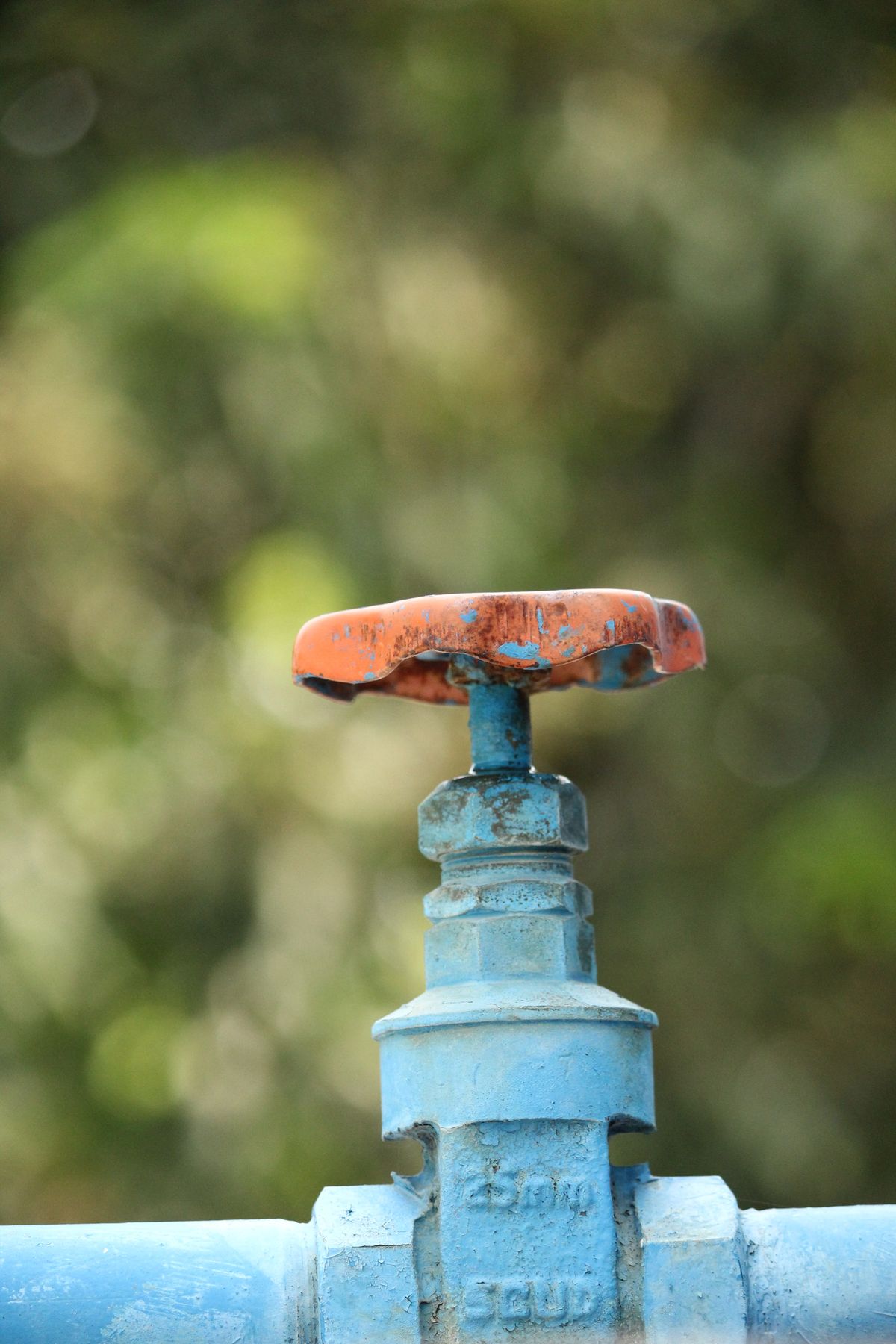
Two valves, two jobs
Most houses on a public water connection have two main valves in the line, and people mix them up constantly.
- The main shut-off is inside the house. It is the one you reach for when a pipe bursts or a fixture fails. Usually it sits where the line enters the home: on a basement wall in older Dover houses, or in a garage, utility room or crawl space in slab homes.
- The curb stop is outside, buried in the ground near the street or property edge, typically under a small round or square lid called a curb box. It is the valve used to cut service to the whole house from outside.
The inside valve is yours to operate. The outside one usually is not. Many providers prefer that only their own crews turn the curb stop, so please do not go prying a lid open with a screwdriver. If the inside valve fails and water is flowing, you want a plan that does not depend on the outside one.
Valve stuck, dripping or just plain unsure where it is? Describe the problem and we will dispatch a local technician.
Tell us what you're seeingWhy valves seize, drip and fail to close
A shut-off valve is a part that sits untouched for years and is then expected to work perfectly on demand. That is a hard thing to ask of any mechanism. Mineral deposits harden around the stem. Internal parts corrode. Packing around the handle dries out and starts to seep. The result is one of a few familiar failures.
The handle will not turn
Old gate valves are the classic offender. The wheel handle spins a threaded stem that raises and lowers a small wedge. When the threads gunk up, the handle becomes stiff or stuck. Forcing it risks snapping the stem or cracking the body, so stop pushing once it resists. Call instead.
The handle spins and nothing happens
This usually means the internal stem has separated from the part it is supposed to move. The handle feels loose and water is not controlled. The valve needs replacement.
It drips around the handle
A slow weep at the stem is often worn packing. Sometimes a technician can address it, sometimes the whole valve is due. It depends on the condition of the body and how long the weep has been going on.
It closes, but water still comes through
If the water slows to a trickle but never stops, the internal seat is probably damaged. A valve that cannot stop the water is functionally not doing its job, even if it looks fine from the outside.
Replacing the main shut-off inside the house
This is the more straightforward half of the topic. The technician needs to stop the water upstream of the old valve, so the work is typically coordinated with a shut-off point that works. Once the line is isolated, the old valve is cut out or unthreaded, the new one goes in, and the connection is checked for leaks as the water comes back on.
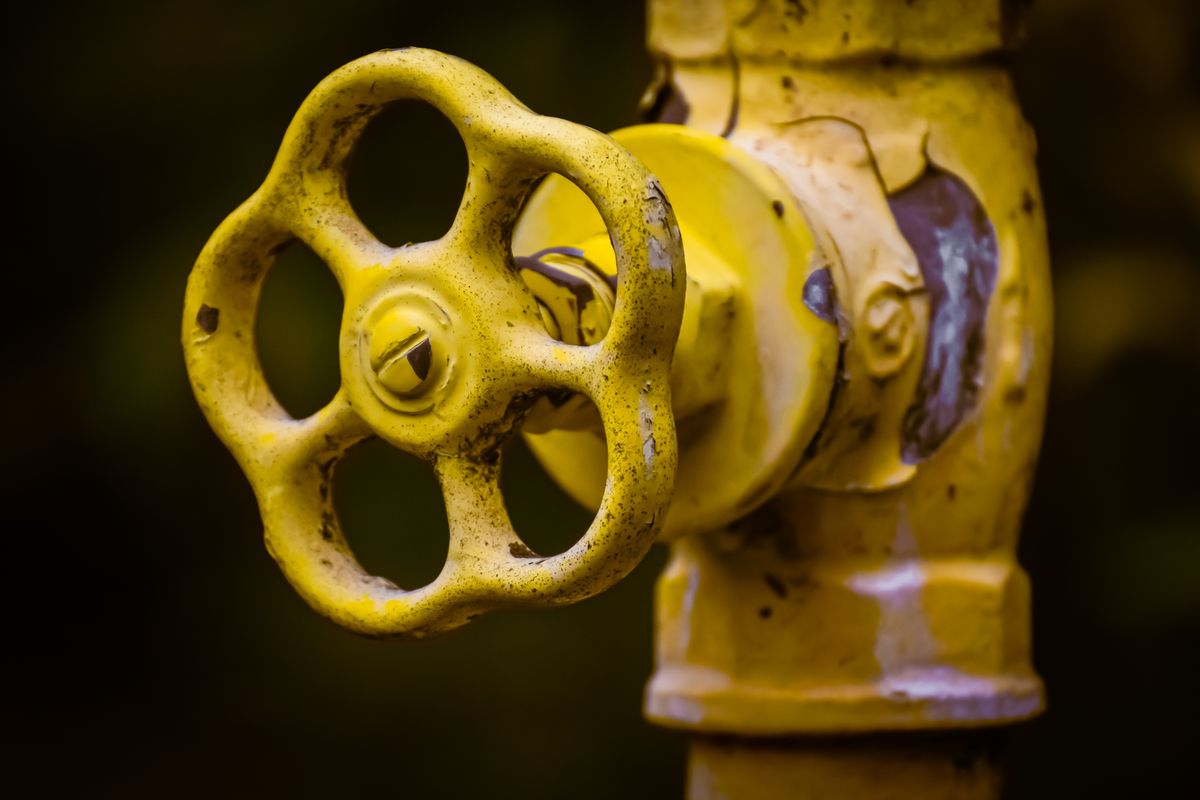
Today most replacements use a quarter-turn ball valve. Instead of a wheel you spin round and round, it has a lever, and a quarter turn takes it from open to closed. In a panic, a lever you can see at a glance is easier to operate than a wheel you have to turn several times. The technician will advise on the type that suits your pipe and layout.
Some jobs go quickly and some do not. A valve that is easy to reach and sits on sound pipe is a very different job from one buried behind a finished wall or attached to old, brittle steel. If the pipe near the valve is badly corroded, the technician may recommend addressing more than the valve alone, and it is better to hear that early than discover it mid-job.
Older galvanized steel is the usual reason a valve swap grows into a bigger job. If the pipe crumbles or will not hold a new fitting, the conversation shifts toward replacing a section of the line.
Curb stop trouble: a shared job with your provider
A curb stop that is stuck, leaking, buried under sod or bent from years of frost heave presents a different picture. Ownership here varies. Homeowners are usually responsible for the pipe on the house side, while the curb stop is often treated as part of the provider's system or as the dividing point, but this changes from one provider to the next. Check with your water provider before assuming it is yours to repair.
In practice that means curb stop problems are often coordinated. The provider may need to be involved to shut the line down, locate the box, or handle the valve itself. The technician we dispatch works on the private side and will tell you when something on the curb stop is a matter for the provider to handle.
That coordination matters for bigger projects too. If you are planning main water line replacement, the curb stop is often where the new private run begins, so it is worth knowing its condition ahead of time. Likewise, a main water line repair may be easier or harder depending on whether the valve at the property edge can be closed.
Why this valve matters when it counts
Picture a supply hose bursting while you are home, or a pipe failing in the basement while you are away for the weekend and a neighbor spots water. The quicker the water stops, the less there is to dry out and repair. Every minute spent hunting for a valve that does not work is more water on the floor.
A shut-off that you have never tested is an unknown. Many homeowners find out at the worst possible moment that theirs is seized. A good rule is to know where it is, make sure everyone in the house knows too, and have it looked at if it feels rough.
Shut-offs across Dover, PA neighborhoods
What you find depends on when your house was built and what has been done to it since.
Old borough homes
Houses around the square and Canal Street often still have valves of the wheel-handle variety, in basements, sometimes tucked behind stored boxes or boxed in by later finishing. Finding them is half the job. Our Dover Borough page has more on these older layouts.
Weigelstown and subdivisions east and west
Subdivision homes from the post-war decades through newer builds usually have the valve in a basement, utility room or garage near where the line comes in. Valve age tracks house age unless it has been swapped.
Township lots
Across Dover Township and the Conewago Township side, lots are larger and the curb box can sit a good distance from the house. Frost and freeze-thaw can heave a box or bury the lid, which is why locating it in winter can be tricky. Homes on private wells do not have a public curb stop and are not served by this service.
Want the valve checked before the next emergency? Call for a technician who knows Dover homes.
Phone a local water line pro