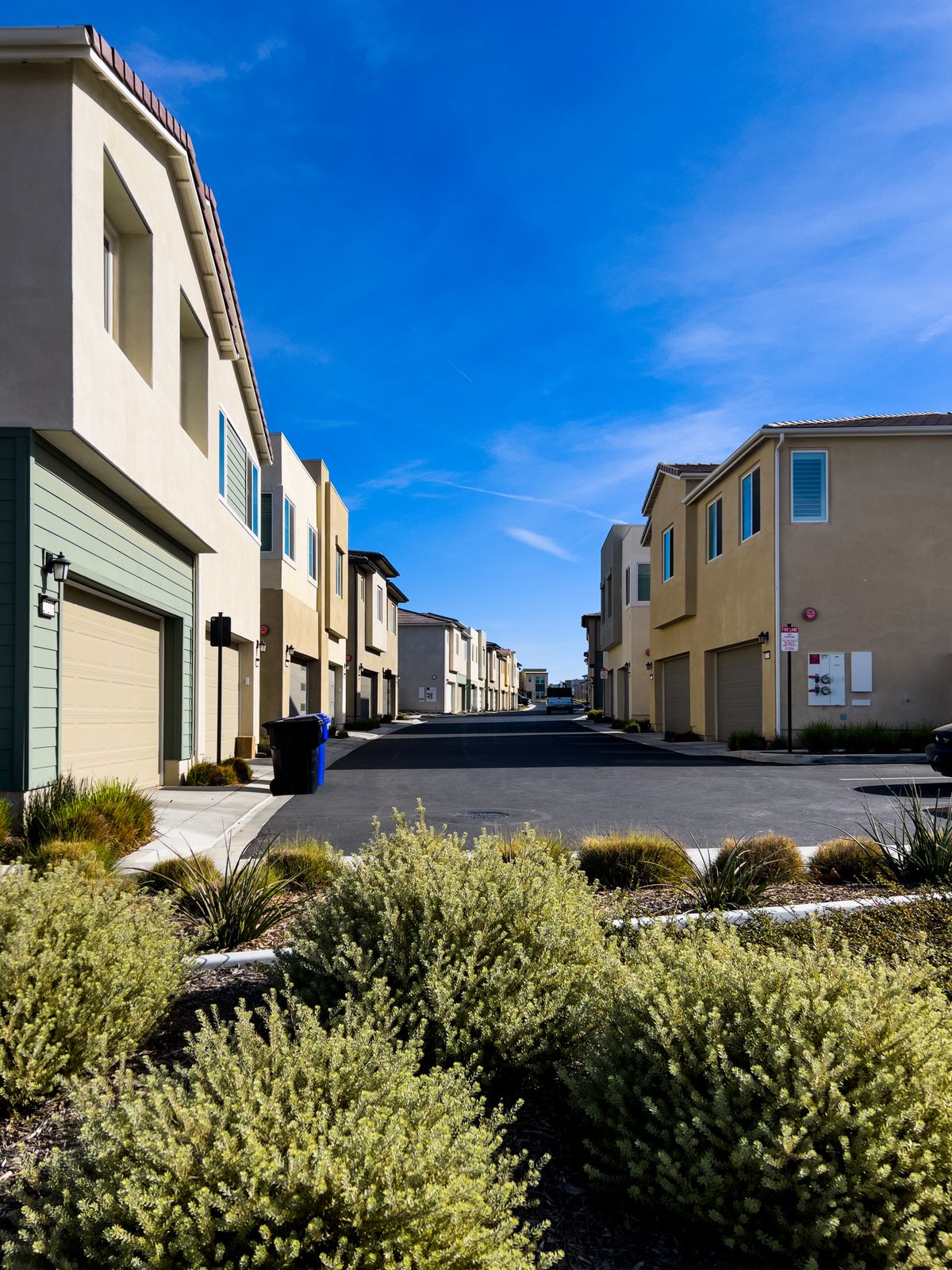
One community, several decades of plumbing
Weigelstown stretches along Carlisle Road between Dover and York, and the neighborhoods off that corridor were built in waves. Post-war housing came first, then more development through the following decades, and newer infill has been tucked in wherever space allowed. The result is a place where pipe from several eras sits side by side, and where a homeowner who bought a house in a later decade may not know what runs under the lawn.
That variety is why a main water line call here starts with a question about the house. How old is it, was any of the pipe replaced, and where does the line come in? This service is for homes on a public water service line, which covers the developed streets in this community. Properties on private wells are not part of it.
Reading your street by decade
These are general tendencies, not a promise about any one house, and a pro confirms the material on site.
The earliest mid-century blocks
Smaller ranch and cape-style houses from the post-war years often started out with galvanized steel service lines. After enough time, galvanized pipe tends to narrow inside and lose pressure, and can send rusty water into the house. Many of these homes have had partial work done since, so a line may be one material at the street and another at the wall.
Mid-period subdivisions
Houses from later in the century more commonly show copper, sometimes alongside older sections. Copper is a common choice, but fittings and joints can still wear, and mixed connections between metals are worth a look when pressure drops.
Newer homes and infill
More recent construction tends toward plastic service lines, which resist corrosion but can be affected by ground movement, tree roots or damage during other digging. If you live in a newer pocket, your concern is more likely a damaged joint than a worn-out pipe.
Know roughly when your house was built? That alone helps a dispatcher send the right technician.
Speak with a local main water line techPatchwork repairs, big trees and driveways in the way
The most common headache here is not one single failure but the mix. A partial replacement years ago can leave a modern section tied to an old one, and the old part keeps the pressure low even though the new part looks fine. If that sounds familiar, the pages on old service line replacement and full main water line replacement cover how a whole-run swap differs from a patch.
Mature trees are the second theme. Established streets have large roots, and roots can press on or wrap around buried pipe over time. Add driveways that were poured after the line was laid, and a straight trench across the front becomes less appealing. That is where trenchless replacement often enters the conversation, since it can work from small access points instead of one long cut. It will not suit every lot, and the technician will tell you plainly if it does not.
The first things a pro looks at in a mid-century house
Foundation type shapes the first look. In houses with basements, the technician heads to the wall where the line enters and checks the shut-off and meter. In slab or crawlspace homes, the entry point may be in a utility closet, garage or crawlspace access, so the search begins somewhere else.
From there the routine is the same across the corridor. Read the meter with a quiet house, check pressure at the line, note any odd materials or splices at the entry, and walk the front yard for damp ground, sinking soil or a line of lush grass. Mature trees and the driveway get a careful look, because they decide whether trenching or trenchless is the better path.
From dialing to dig day on a corridor street
The call itself is short. You describe the symptoms and the house, and the dispatcher asks about the foundation, the pressure and what the meter is doing. A local technician is dispatched, with same-day and emergency options where available. Once on site, the technician inspects and presents repair or replacement choices with upfront pricing discussed before any work starts.
On a busy corridor, planning also covers where equipment will stand and how access to the street side of the property works. Those details are for the technician to work out with you, and they differ from house to house.
Have a slow tap, a stained fixture or a wet spot near the road? Start with a quick call.
Book your main water line visitClose by, same kind of help
Weigelstown shares ZIP 17315 with the neighboring communities, and the people next door often face quite different line conditions. The older core of town to the west and the suburban stretch to the east each have their own page.