Why the borough core is where old lines give up first
Dover Borough is the original town, and the water line serving a house here has often been in the ground since the house was built. Pipe that old can pit from the inside, clog with mineral scale, or crack at a joint after enough winters of frost pushing on the soil. The first signs tend to be quiet: a pressure drop that creeps up over months, brown water after the house has sat unused, or a meter that keeps ticking when nothing is running.
This page covers the private side of the line only, usually the stretch from the meter or curb stop to your house. Check with your water provider on exactly where your responsibility begins, because the split can differ from one property to the next. And it applies only to homes on a public water service line, which covers nearly everything in the walkable core.
Brick fronts, frame porches and basements below the sidewalk
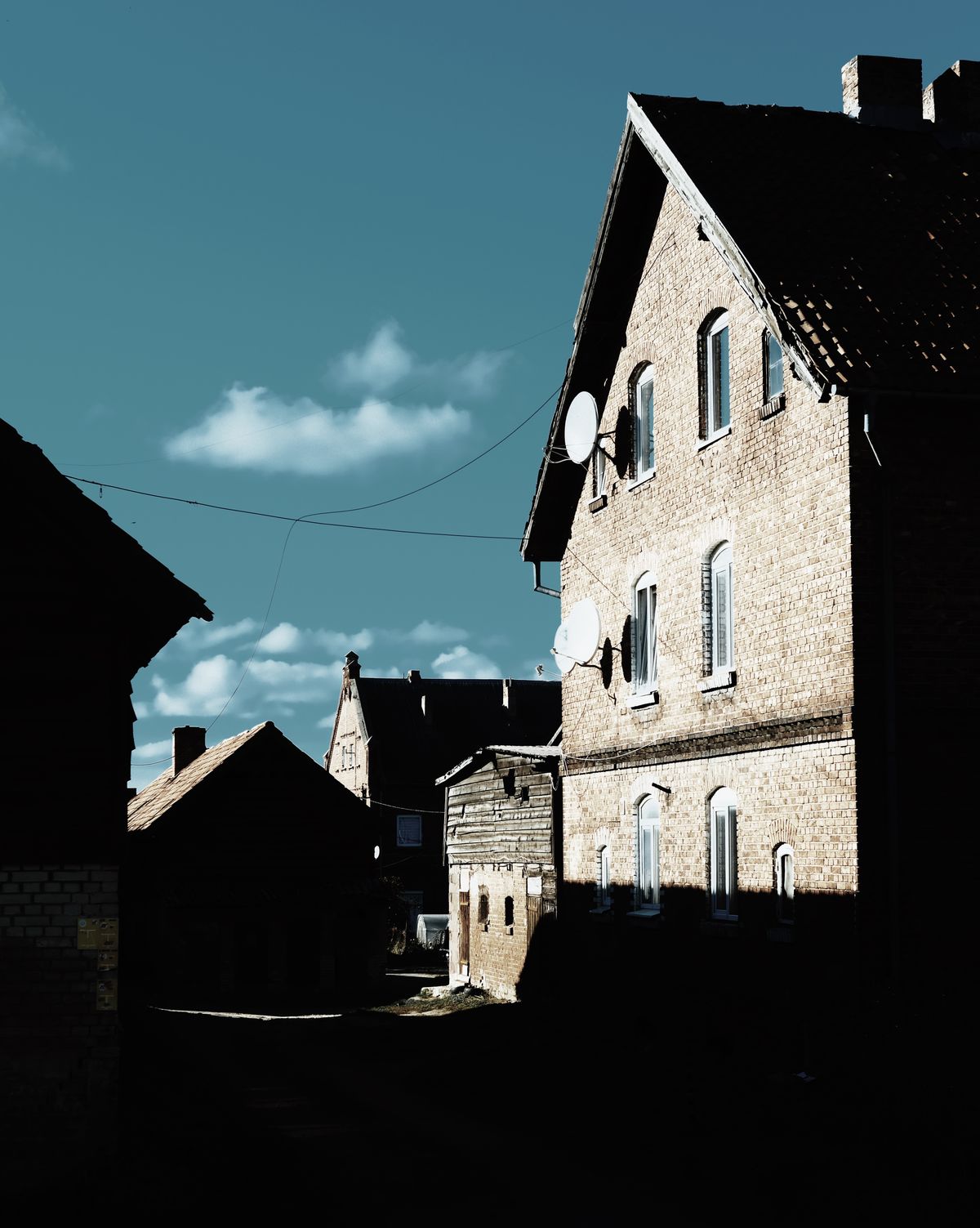
Walk the streets around the square and along Canal Street and you see the pattern: older brick and frame houses set close to the sidewalk, narrow side yards, and full basements. Many of these homes sit on lots only a few strides wide, which means the line is short but the space around it is cramped.
Where the line runs is fairly predictable. It leaves the curb area, crosses the strip of ground and sidewalk, and meets the foundation wall, usually entering the basement through the front or a side wall. The main shut-off and meter often sit within a few feet of that wall. In these houses, the pipe passing through the masonry is a spot worth knowing, because that is where movement and moisture meet.
Trouble spots: corrosion, cold snaps and cramped access
Three things come up again and again in the borough. The first is simple age: older galvanized steel narrows as it corrodes, and some of the oldest lines in any town were made of materials that a pro can identify on sight. If you want to understand that side of it, read about old galvanized and lead-era service lines.
The second is winter. Frost works its way into soil beside basement walls, and a stiff, aging pipe has little give. A line that carried water fine through a mild season can split during a hard cold snap, and the first you hear of it is a hissing basement or a soft patch by the curb.
The third is access. When a house sits tight to the sidewalk with a porch, steps and a neighbor on either side, there is not much room to dig a long trench. That pushes the conversation toward trenchless water line replacement where the soil and line layout allow it, though honest limits apply and the technician will say if it does not fit.
If any of that sounds like your basement, describe it to a dispatcher and we will line up a local technician.
Book your main water line visitFirst look: what the technician does on an old borough house
On a house like this, a technician usually starts indoors, because the story is often written on the basement wall. They locate the main shut-off, look at the pipe where it passes through the foundation, and note what it is made of and whether it has been spliced over the years. Mixed metals and old patches tell a lot about the history.
Next comes the meter and a pressure check, which separates a line problem from one that starts inside the house. Then the technician steps outside to trace the likely route under the sidewalk and yard, noting the curb stop and anything that suggests where another utility might be buried. Only then do options get discussed, and the full picture of a low-pressure main line complaint usually comes together from those few checks.
How a call plays out, from the first ring to the finished trench
- You call and describe what you see: the damp wall, the meter, the pressure.
- A few questions follow about the age of the house, where the line enters and whether the water is still on.
- We dispatch a local technician, with same-day or emergency dispatch where available.
- On site, the technician inspects, explains what is found and lays out repair or replacement options, with upfront pricing explained before any work begins.
- If you go ahead, the work is done by that independent professional, and the ground and sidewalk edge are dealt with as part of the job plan.
Neighbors down the road that we also reach
Just beyond the borough edge, houses shift from rowed-up older stock to wider lots, and the line problems change with them. These nearby areas are covered the same way.
Homes across the region share the 17315 ZIP, but lines in the township and along Carlisle Road tend to run longer or date from a later era, so each is worth reading on its own. If your question is about a leak you can see, spot repair on a main line may also be worth a look.
Not sure which description fits your house? Talk it over with someone who knows the borough.
Get a straight answer by phone